- Seasonal patterns revealed around sunspin for landscape photographers
- The Spring Awakening: Soft Light and Emerging Colors
- Capturing the Ephemeral Beauty of Spring Blooms
- Summer's Golden Hour and the Challenge of Harsh Light
- Techniques for Managing Harsh Summer Light
- Autumn's Fiery Palette and Atmospheric Perspective
- Maximizing Color and Contrast in Fall Foliage Photography
- Winter's Minimalism and the Beauty of Frost and Snow
- Beyond the Seasons: The Persistent Influence of Sunspin
Seasonal patterns revealed around sunspin for landscape photographers
The interplay of light and shadow is a cornerstone of landscape photography, and understanding seasonal patterns is crucial for capturing truly breathtaking images. A fascinating phenomenon that often goes unnoticed, yet holds immense potential for photographers, is the subtle shift in sunlight known as sunspin. This isn't a dramatic event like a solar eclipse, but a gradual change in the angle and quality of light throughout the year, influencing how landscapes appear and how we perceive them. Recognizing these changes allows photographers to anticipate optimal shooting conditions and unlock creative possibilities.
Successfully incorporating seasonal light into your photography requires more than just knowing the time of year. Factors like latitude, altitude, and local weather patterns all play a significant role in shaping the quality of light. Understanding how these elements combine to create unique lighting scenarios will elevate your images from simply documenting a scene to expressing a feeling or telling a story. This article delves into the nuances of seasonal light, providing insights and techniques for landscape photographers eager to harness the power of the sun throughout the year. Consider the impact of atmospheric conditions, as haze, mist, and cloud cover drastically alter the characteristics of the sunlight, creating mood and depth.
The Spring Awakening: Soft Light and Emerging Colors
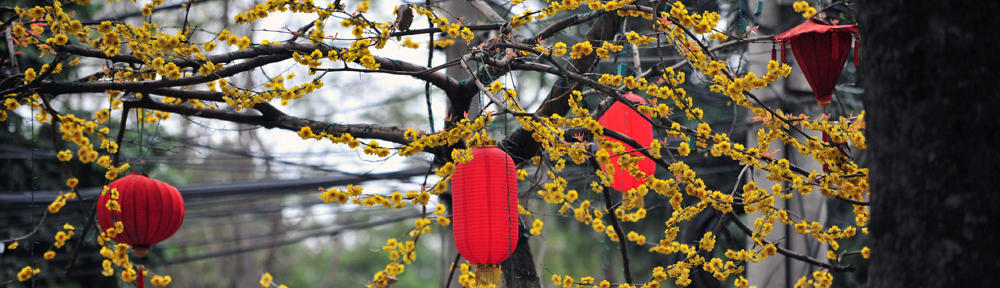
Spring presents a unique opportunity for landscape photographers. After the starkness of winter, the world bursts into life, and the light softens considerably. The sun’s angle is higher than in the winter months, but not yet the harsh glare of summer. This softer light is incredibly forgiving, revealing delicate details and pastel tones in blossoming flowers and newly emerged foliage. The longer days also provide more shooting time, allowing photographers to experiment with different compositions and lighting conditions. The air often holds a slight moisture, creating subtle diffusion that further enhances the quality of light. Look for scenes with leading lines and interesting textures to capitalize on this delicate illumination.
Capturing the Ephemeral Beauty of Spring Blooms
Photographing spring blooms requires careful attention to detail. The fleeting nature of blossoms means you'll need to be prepared to shoot quickly and efficiently. Utilizing a macro lens or close-up filters can capture the intricate beauty of individual flowers, while a wider lens can showcase fields of wildflowers stretching toward the horizon. Pay close attention to the background; a blurred background helps to isolate the subject and create a sense of depth. The spring season is also known for its unpredictable weather, so prepare for rain or shine, and be ready to adapt your plans accordingly. Sometimes the best images are captured during or immediately after a light shower, as the raindrops add a touch of magic to the scene.
| Season | Light Characteristics | Ideal Subjects |
|---|---|---|
| Spring | Soft, diffused, pastel tones | Wildflowers, blossoming trees, new growth |
| Summer | Bright, harsh, strong shadows | Golden hour landscapes, seascapes, architectural details |
| Autumn | Warm, golden, directional light | Fall foliage, dramatic skies, harvest scenes |
| Winter | Cold, crisp, long shadows | Snowscapes, frost patterns, minimalist compositions |
Understanding how color temperature changes during spring is also vital. The light gradually warms up as the season progresses, shifting from cool blues to warmer yellows and oranges. Adjusting your white balance accordingly will ensure that your images accurately reflect the mood and atmosphere of the scene. By being mindful of these subtle changes, you can consistently capture stunning spring landscapes.
Summer's Golden Hour and the Challenge of Harsh Light
Summer brings the most sunlight, but it also presents the greatest challenges for landscape photographers. The midday sun is often too harsh, creating strong shadows and washed-out colors. However, the golden hours – the periods shortly after sunrise and before sunset – offer breathtaking opportunities. During these times, the sun is low in the sky, casting a warm, golden glow over the landscape. The long shadows add depth and texture, and the colors become richer and more saturated. Photographing during these shorter windows of light requires careful planning and precise timing. Scout locations in advance and be prepared to adjust your composition based on the changing light. The summer months are also ideal for experimenting with long exposure photography, as the bright light allows for slower shutter speeds.
Techniques for Managing Harsh Summer Light
When shooting in the middle of the day, try to find shade or use a diffuser to soften the light. Shooting towards the shade, or utilizing natural features like trees or rock formations, can dramatically improve the quality of your images. Polarizing filters are also incredibly useful for reducing glare and enhancing colors. Experiment with different angles and perspectives to find compositions that minimize the impact of harsh light. Sometimes, embracing the contrast and shadows can create a dramatic and visually striking image. Learning to see creatively in challenging light is a crucial skill for any landscape photographer.
- Utilize polarizing filters to reduce glare and enhance colors.
- Shoot during the golden hours for warm, soft light.
- Seek out shade or use diffusers to soften harsh light.
- Experiment with black and white photography to emphasize contrast.
- Scout locations in advance and plan your shots carefully.
Don’t underestimate the potential of summer storms. Dramatic cloud formations and lightning strikes can add a sense of drama and excitement to your landscape photographs. Always prioritize safety when photographing storms, and be aware of your surroundings. A wide-angle lens can capture the scale and power of a summer storm, while a telephoto lens can isolate interesting details.
Autumn's Fiery Palette and Atmospheric Perspective
Autumn is arguably the most popular season for landscape photography, and for good reason. The changing leaves create a breathtaking spectacle of color, transforming forests and hillsides into vibrant tapestries. The light at this time of year is also particularly beautiful – warm, golden, and directional. The lower sun angle casts long shadows, accentuating the texture of the landscape. Atmospheric perspective, the effect of distance blurring colors and reducing contrast, becomes more pronounced in autumn, adding depth and a sense of scale to your images. Autumn’s air is often crisp and clear, enhancing visibility and detail. The combination of these factors makes autumn an ideal time to capture stunning landscape photographs.
Maximizing Color and Contrast in Fall Foliage Photography
When photographing fall foliage, it’s important to pay attention to color balance and contrast. Adjusting your white balance can help to accurately reproduce the warm tones of the leaves. Using a polarizing filter can also enhance the colors and reduce glare. Experiment with different compositions to highlight the patterns and textures of the foliage. Look for scenes with leading lines, interesting shapes, and a variety of colors. The timing of your shoot is crucial; the peak of fall foliage varies depending on the location and elevation. Check foliage reports and plan your trip accordingly to maximize your chances of capturing the most vibrant colors. Using a graduated neutral density filter can also help balance the exposure between the bright sky and the darker foreground, ensuring that you capture all the details in your scene.
- Research peak foliage times for your desired location.
- Utilize a polarizing filter to enhance colors and reduce glare.
- Adjust white balance to accurately represent fall tones.
- Experiment with different compositions to highlight textures.
- Consider using a graduated neutral density filter for balanced exposure.
The misty mornings that often accompany autumn can create a magical atmosphere in your photographs. Embrace these conditions and use them to your advantage, focusing on creating mood and a sense of mystery. The interplay of light and mist can transform ordinary scenes into extraordinary images.
Winter's Minimalism and the Beauty of Frost and Snow
Winter landscapes often appear stark and minimalist, but they offer a unique beauty that is often overlooked. The absence of leaves reveals the underlying structure of trees and landscapes, creating a sense of clarity and simplicity. Snow and frost add texture and visual interest, transforming familiar scenes into something new and magical. The long shadows cast by the low winter sun can create dramatic lines and shapes. The quality of light in winter is often crisp and clean, providing excellent detail and clarity. Photographers should be prepared for cold temperatures and challenging conditions, but the rewards can be well worth the effort.
Photographing in snow requires careful consideration of exposure. Snow is highly reflective, which can trick your camera’s meter into underexposing the image. Using exposure compensation or shooting in manual mode can help you to achieve the correct exposure. Protecting your equipment from the cold and moisture is also important. Consider using lens hoods and weather-sealed cameras and lenses. A monochrome conversion can sometimes enhance the mood and atmosphere of a winter landscape, emphasizing the contrast between light and shadow.
Beyond the Seasons: The Persistent Influence of Sunspin
While seasonal changes represent the most obvious shifts in sunlight, the broader concept of sunspin – the year-round variations in the sun’s path – continues to exert a subtle influence. For example, consider the impact of solar declination on specific landmarks. A particular rock formation might be backlit by the setting sun only during a portion of the year, creating a unique photographic opportunity. Understanding these nuances allows photographers to anticipate these fleeting moments and capture images that truly stand out. This also extends to architectural photography; the angle of the sun relative to a building will profoundly change throughout the year, affecting shadow patterns and overall aesthetics.
Increasingly, photographers are using tools like sun calculators and augmented reality apps to predict the sun’s position at any given time and location. These tools can be invaluable for planning photoshoots and maximizing the impact of the sunlight. For instance, a photographer aiming to capture the sunrise illuminating a specific mountain peak can use a sun calculator to determine the precise date and time when the alignment will be perfect. This proactive approach, combined with a deep understanding of seasonal light and the continuous influence of sunspin, empowers landscape photographers to consistently create compelling and visually stunning images.