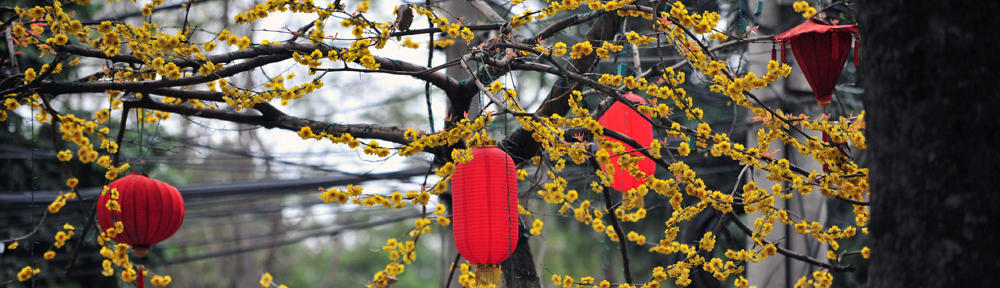
- Creative exploration blossoms during seasons art class for inspired beginners everywhere
- Capturing the Essence of Spring
- Watercolor Techniques for Spring Florals
- Embracing the Warmth of Summer
- Exploring Impasto Techniques
- Autumn's Fiery Hues and Textures
- The Art of Glazing
- Winter's Quiet Beauty and Monochromatic Studies
- Expanding Your Artistic Horizons – Beyond the Seasons
Creative exploration blossoms during seasons art class for inspired beginners everywhere
The arrival of each season offers a unique palette of inspiration, and a seasons art class provides a wonderful opportunity to capture that essence on canvas or through various artistic mediums. These classes aren’t just about learning to paint or sculpt; they're about connecting with the natural world, exploring creativity, and developing a deeper appreciation for the beauty that surrounds us throughout the year. Whether you're a complete beginner or have some prior artistic experience, a seasons-themed art class can be a refreshing and rewarding experience. It’s a chance to unwind, de-stress, and express yourself in a supportive and encouraging environment.
Many find that the changing seasons evoke strong emotions and memories, making them perfect subjects for artistic interpretation. The vibrant hues of autumn, the stark beauty of winter, the blossoming energy of spring, and the warmth of summer – each season presents a distinct visual and emotional landscape. Participating in an art class focused on these seasonal shifts allows individuals to translate their feelings and observations into tangible works of art, fostering a sense of mindfulness and personal growth. The act of creating itself is a powerful therapeutic tool, and when combined with the beauty of the seasons, it offers a truly enriching experience for artists of all levels.
Capturing the Essence of Spring
Spring, often seen as a symbol of rebirth and renewal, provides a wealth of artistic inspiration. The emergence of new life, the blossoming of flowers, and the vibrant greens of fresh foliage all offer captivating subjects for artists. A spring-themed segment in an art class might focus on techniques for capturing the delicate textures of petals, the interplay of light and shadow on new leaves, and the overall sense of joy and optimism that this season embodies. Exploring watercolor painting can be particularly effective for capturing the soft, ethereal quality of springtime scenes. Students can experiment with layering washes of color to create depth and luminosity, mimicking the gentle light and diffused atmosphere of this season. The focus isn’t solely on realistic representation; rather, it's about conveying the feeling of spring – its freshness, hope, and energy.
Watercolor Techniques for Spring Florals
Watercolor painting lends itself beautifully to depicting the delicate beauty of spring flowers. Wet-on-wet techniques, where paint is applied to a pre-wetted surface, create soft, blurred edges that are perfect for capturing the subtle gradients of color found in petals. Dry brush techniques, on the other hand, can be used to add texture and detail, mimicking the veins and patterns on leaves and flowers. Layering washes of color allows artists to build up depth and create a sense of luminosity. A useful exercise involves starting with a light sketch of the floral subject, then gradually building up layers of color, allowing each layer to dry before applying the next. Experimenting with different color palettes – from soft pastels to bolder, more vibrant hues – can help students discover their own unique style and interpretation of spring’s beauty.
| Color Palette | Technique | Paper Type | Brush Size |
|---|---|---|---|
| Pastel Shades (pink, lavender, pale green) | Wet-on-Wet | Cold Press Watercolor Paper | Round Brush – Size 6 |
| Vibrant Hues (bright yellow, crimson, emerald green) | Dry Brush | Hot Press Watercolor Paper | Liner Brush – Size 0 |
| Monochromatic (various shades of green) | Layering Washes | Rough Watercolor Paper | Flat Wash Brush – 1 inch |
| Analogous Colors (yellow, orange, red) | Glazing | Watercolor Board | Angle Brush – Size 8 |
Beyond specific techniques, a crucial aspect of capturing spring is observing the subtle shifts in light and color throughout the day. Spending time sketching or painting en plein air (outdoors) can provide invaluable insights into the nuances of natural light and its effect on the landscape. This direct observation enhances artistic understanding and allows for a more authentic representation of the season’s beauty.
Embracing the Warmth of Summer
Summer, with its long days and vibrant energy, invites a different approach to artistic expression. The rich, saturated colors of summer landscapes, the abundance of natural light, and the lively atmosphere of outdoor scenes offer endless inspiration. An art class focused on summer might explore techniques for capturing the effects of strong sunlight, the depth of shadow, and the feeling of warmth and abundance. Impasto techniques, using thick layers of paint, can be particularly effective for conveying the texture of sun-drenched fields or the shimmering surface of water. Students can experiment with bold color palettes and expressive brushstrokes to capture the energy and vibrancy of the season. The emphasis is on evoking a sense of joy, relaxation, and the carefree spirit of summer.
Exploring Impasto Techniques
Impasto, the technique of applying paint thickly to the canvas, adds a tactile and expressive quality to artwork. Using palette knives or stiff brushes, artists can build up layers of paint, creating a textured surface that reflects light in interesting ways. This technique is particularly well-suited for capturing the physicality of summer landscapes – the rough bark of trees, the swaying fields of grain, and the textured surfaces of flowers. When working with impasto, it’s important to use high-quality paints that hold their shape and don’t become muddy when mixed. Heavy body acrylics or oil paints are excellent choices. Experimenting with different tools and techniques – such as dabbing, swirling, and scraping – can lead to a wide range of effects. Remember to consider the direction of light when applying impasto; the raised textures will cast shadows, adding depth and dimension to the artwork.
- Use heavy body acrylics or oil paints.
- Employ palette knives or stiff brushes.
- Build up layers of paint for texture.
- Experiment with dabbing, swirling, and scraping.
- Consider the direction of light.
- Don’t be afraid to experiment with color mixing directly on the canvas.
- Allow paint to dry thoroughly between layers for best results.
Beyond painting, summer also provides opportunities to explore other artistic mediums, such as collage or mixed media. Incorporating natural elements – such as dried flowers, leaves, or sand – can add texture and depth to artwork, further enhancing the connection to the season.
Autumn's Fiery Hues and Textures
Autumn, with its dramatic shift in colors and textures, is a particularly inspiring season for artists. The vibrant reds, oranges, and yellows of falling leaves, the golden light of late afternoon, and the crispness of the air all contribute to a unique and evocative atmosphere. An autumn-themed art class might focus on techniques for capturing the warmth and richness of the season’s colors, as well as the textures of decaying leaves and weathered bark. Glazing techniques, applying thin, transparent layers of paint over existing layers, can be used to create depth and luminosity, mimicking the way light filters through the leaves. Students can explore a range of mediums, from oil pastels to acrylic paints, to capture the mood and character of autumn. The goal is to evoke a sense of nostalgia, reflection, and the beauty of impermanence.
The Art of Glazing
Glazing is a technique that involves applying thin, transparent layers of paint over existing layers to create depth, luminosity, and subtle color variations. This technique is particularly effective for capturing the complex autumnal palette. When glazing, it’s important to use high-quality paints and mediums to ensure transparency. Applying glaze layers in thin, even strokes prevents streaks and ensures a smooth, blended effect. Each glaze layer alters the colors underneath, creating a rich and complex interplay of hues. Glazing is a patient process, requiring multiple layers to achieve the desired effect. However, the resulting depth and luminosity are well worth the effort. Remember to allow each layer to dry completely before applying the next.
- Apply thin, transparent layers of paint.
- Use high-quality paints and mediums.
- Apply glaze layers in even strokes.
- Allow each layer to dry completely.
- Experiment with different color combinations.
- Start with lighter glazes and gradually build up intensity.
- Observe how each layer affects the colors underneath.
Experimenting with different textures can also enhance the impact of autumn artwork. Using sponges, palette knives, or other tools to create rough or mottled surfaces can mimic the textures of bark, leaves, and weathered wood.
Winter's Quiet Beauty and Monochromatic Studies
Winter, often associated with stillness and introspection, presents a unique set of artistic challenges and opportunities. The stark landscapes, the muted color palettes, and the subtle variations in light and shadow invite a more contemplative approach to art-making. A winter-themed class might focus on monochromatic studies, exploring the nuances of black and white or shades of gray. This exercise can help students develop their understanding of value, form, and composition. Alternatively, classes might explore the use of cool tones – blues, purples, and grays – to capture the chill of winter air and the serene beauty of snow-covered landscapes. The emphasis is on capturing a sense of quietness, solitude, and the enduring beauty of nature even in its most dormant state.
Expanding Your Artistic Horizons – Beyond the Seasons
The skills and techniques learned in a seasons art class provide a solid foundation for exploring a wide range of artistic styles and subjects. The ability to observe and interpret the natural world, to understand color theory, and to master various painting and drawing techniques can be applied to any artistic endeavor. Many students find that their participation in a seasonal class sparks a lifelong passion for art, leading them to explore other artistic pursuits, such as portraiture, still life, or abstract expressionism. Attending workshops, joining art clubs, and continuing to practice regularly are all ways to further develop artistic skills and expand creative horizons.
Consider the case of Eleanor Vance, a former accountant who enrolled in a seasons art class as a means of reducing stress and exploring a long-held interest in painting. Initially hesitant and lacking confidence, Eleanor quickly discovered a hidden talent for watercolor painting. The instructor’s encouragement and the supportive environment of the class helped her overcome her fears and embrace her creativity. She began to incorporate seasonal themes into her artwork, creating a series of vibrant paintings that captured the essence of each season. Eleanor's artwork gained recognition at local art shows, and she eventually transitioned to a career as a full-time artist, demonstrating the transformative power of art and the benefits of lifelong learning.