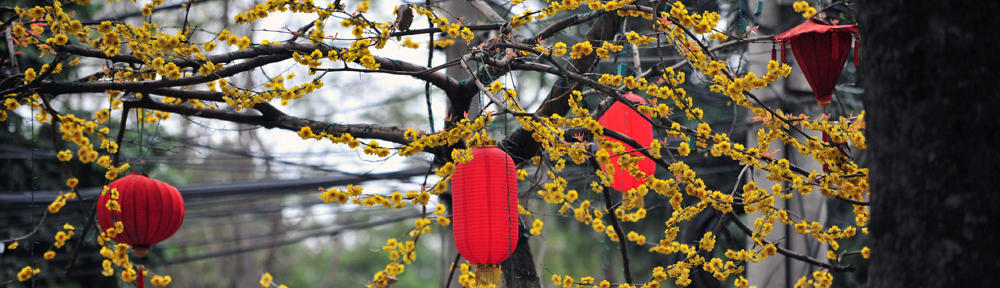
- Creative textile designs featuring pacific spins elevate modern fashion aesthetics
- The Art and Science of Textile Manipulation
- The Role of Technology in Modern Techniques
- Exploring the Aesthetic Qualities of Pacific-Inspired Designs
- The Influence of Polynesian Art on Textile Design
- Innovative Applications of Pacific-Inspired Textile Designs
- Sustainable Practices in Production
- The Future of Pacific-Inspired Textile Aesthetics
- Expanding Applications and Collaborative Designs
Creative textile designs featuring pacific spins elevate modern fashion aesthetics
The fashion industry is constantly evolving, seeking new textures, patterns, and techniques to captivate audiences and redefine aesthetics. Among the many innovative approaches gaining traction, the utilization of unique textile designs stands out as a powerful tool for transformation. One such approach increasingly employed by designers worldwide is the incorporation of pacific spins – a method that imbues fabrics with captivating visual depth and a distinctive tactile quality. This allows for the creation of garments and accessories that are not only visually striking but also tell a story through their construction and feel.
The appeal of these designs stems from their ability to bridge the gap between traditional craftsmanship and contemporary fashion sensibilities. Designers are drawn to the intricate patterns and the sense of movement that these techniques evoke, resulting in pieces that are simultaneously timeless and cutting-edge. The focus on texture and three-dimensionality elevates garments beyond simple clothing, transforming them into wearable art that reflects individuality and a sophisticated appreciation for design. The adaptability of these techniques allows integration in many different design visions.
The Art and Science of Textile Manipulation
Textile manipulation is a broad category encompassing numerous techniques used to alter the surface of fabrics, creating visual and tactile interest. These techniques have been employed for centuries, evolving from simple handcrafts to complex industrial processes. Modern textile manipulation often blends traditional methods with cutting-edge technologies, resulting in innovative designs that push the boundaries of what's possible. This intricate process demands both an artistic eye and a deep understanding of material properties and construction. The goal is to enhance the inherent beauty of the fabric while introducing new dimensions and complexities.
One significant aspect of modern textile manipulation lies in the exploration of sustainable and eco-friendly practices. Designers are increasingly seeking ways to minimize waste and utilize recycled materials, contributing to a more responsible fashion industry. Techniques like zero-waste pattern cutting, upcycling, and the use of natural dyes are gaining prominence, demonstrating a commitment to environmental consciousness. The demand for ethical and transparent production processes is also influencing the development of new fabrication techniques.
The Role of Technology in Modern Techniques
The integration of technology plays a crucial role in advancing textile manipulation. Computer-aided design (CAD) software allows designers to experiment with intricate patterns and simulations before committing to physical production. Digital printing technologies enable the creation of highly detailed designs with precise color control. Furthermore, 3D printing is emerging as a powerful tool for creating complex textile structures and embellishments. These technological advancements not only streamline the design process but also open up new possibilities for creativity and innovation.
Automation and robotics are also transforming textile manufacturing, increasing efficiency and reducing labor costs. However, the human element remains essential, particularly in the realm of artistic design and quality control. The combination of human skill and technological precision offers the most promising path forward for the future of textile production. This synergy produces interesting new results.
| Technique | Description | Materials Commonly Used |
|---|---|---|
| Smocking | A technique involving gathering fabric into pleats and securing them with embroidery, creating a textured surface. | Cotton, linen, silk |
| Quilting | Layering fabrics and stitching them together to create a padded textile, often used for blankets and clothing. | Cotton, polyester, wool |
| Appliqué | Attaching fabric pieces onto a base fabric to create decorative designs. | Various fabrics, including felt, silk, and cotton |
The table illustrates just a few examples of the diverse methods available for textile manipulation, each possessing distinct characteristics and aesthetic qualities. These techniques showcase the power of transforming flat fabrics into dynamic and visually captivating materials.
Exploring the Aesthetic Qualities of Pacific-Inspired Designs
Designs inspired by the Pacific region often draw upon the rich cultural heritage and natural beauty of the islands. These designs often incorporate motifs representing the ocean, marine life, and traditional Polynesian art. The aesthetic qualities are characterized by a sense of fluidity, vibrancy, and a deep connection to nature. Utilizing these inspirations in modern textile design creates a unique and compelling aesthetic that resonates with audiences seeking authenticity and cultural depth. The patterns frequently feature bold colors, organic shapes, and intricate detailing.
The use of color is particularly significant in Pacific-inspired designs. The vibrant hues of tropical flowers, coral reefs, and turquoise waters are frequently incorporated into palettes, creating a sense of energy and vitality. These color schemes can range from bold and saturated to more muted and earthy tones, depending on the specific design aesthetic. The interplay of light and shadow is another important element, adding depth and dimension to the textile surface.
The Influence of Polynesian Art on Textile Design
Polynesian art has exerted a profound influence on textile design, particularly in the realm of pattern and motif. Traditional Polynesian designs often feature intricate geometric patterns, stylized representations of animals and plants, and symbolic imagery related to mythology and spiritual beliefs. These motifs are frequently incorporated into contemporary textile designs, adding a layer of cultural significance and visual interest. The careful adaptation of these ancient designs to modern aesthetics ensures their continued relevance and appeal.
One key element of Polynesian art is the use of symmetry and repetition. Patterns are often based on balanced compositions and repeated motifs, creating a sense of harmony and visual rhythm. The use of negative space is also important, allowing the patterns to breathe and stand out against the background fabric. These principles can be effectively applied to contemporary textile designs to create visually striking and culturally resonant pieces.
- Geometric patterns inspired by traditional tattoos
- Floral motifs representing tropical flowers like hibiscus and plumeria
- Ocean wave patterns symbolizing the power and beauty of the sea
- Animal representations, such as turtles, birds, and fish
These elements commonly found in pacific spins inspired designs work together to create a distinct and recognizable aesthetic. The incorporation of these motifs in textile art gives garments a unique personality and a connection to a rich cultural history.
Innovative Applications of Pacific-Inspired Textile Designs
The versatility of Pacific-inspired textile designs allows for a wide range of applications across various fashion categories. From haute couture to ready-to-wear, these designs can be incorporated into a diverse array of garments and accessories. The ability to adapt the techniques and motifs to different fabrics and silhouettes makes them suitable for both everyday wear and special occasion attire. The increasing demand for unique and expressive fashion pieces is driving the adoption of these designs by established brands and emerging designers alike.
Beyond apparel, Pacific-inspired textile designs are also finding applications in interior design, home furnishings, and art installations. Upholstery fabrics, wall coverings, and decorative pillows can all be enhanced with these vibrant patterns and textures. The use of these designs in interior spaces creates a sense of warmth, tranquility, and connection to nature. The appeal of these designs extends beyond fashion, resonating with consumers seeking to create aesthetically pleasing and culturally rich living environments.
Sustainable Practices in Production
Integrating sustainable practices into the production of Pacific-inspired textile designs is essential for ensuring the long-term viability of the industry. This includes sourcing eco-friendly materials, minimizing waste, and adopting ethical labor practices. The use of natural dyes derived from plants and minerals reduces the environmental impact of textile production. Implementing closed-loop systems, where waste materials are recycled and repurposed, further minimizes environmental harm. Transparency and traceability in the supply chain are also crucial for building consumer trust and ensuring accountability.
Supporting local artisans and communities is another important aspect of sustainable production. Collaborating with skilled craftspeople in the Pacific region not only preserves traditional techniques but also provides economic opportunities for local populations. Promoting fair trade practices ensures that artisans receive fair compensation for their work. The combination of sustainable materials, ethical production processes, and community engagement creates a positive social and environmental impact.
- Source organic cotton or linen grown without harmful pesticides.
- Utilize natural dyes derived from plants such as indigo and turmeric.
- Implement water-saving techniques during the dyeing and washing processes.
- Support local artisans and communities in the Pacific region.
These steps are essential for creating a responsible and sustainable textile industry. Embracing these practices ensures that beautiful and culturally significant designs can be enjoyed for generations to come.
The Future of Pacific-Inspired Textile Aesthetics
The future of Pacific-inspired textile aesthetics is brimming with potential. As designers continue to explore new techniques and materials, we can expect to see increasingly innovative and imaginative designs. The incorporation of digital technologies, such as 3D printing and virtual reality, will open up new possibilities for creating complex and interactive textile experiences. The demand for personalized and customized designs will also drive the development of new fabrication methods allowing for bespoke creations.
A rising consumer interest in cultural authenticity and storytelling will further fuel the popularity of Pacific-inspired designs. Consumers are increasingly seeking products that reflect their values and connect them to meaningful narratives. Designers who can effectively communicate the cultural significance and artistic merit of their creations will be well-positioned to succeed in the evolving market. The intersection of art, culture, and technology will undoubtedly shape the future of textile aesthetics.
Expanding Applications and Collaborative Designs
Looking beyond fashion, the principles of pacific spins and analogous design philosophies are finding applications in diverse fields like architectural textiles and interactive installations. Imagine building facades incorporating woven patterns inspired by traditional mats, or public art pieces that respond to environmental stimuli mimicking ocean currents. These crossover applications demonstrate the inherent adaptability of these design elements and their potential to enhance a broad spectrum of environments.
Furthermore, the potential for collaborative design projects involving Pacific Islander artists and international designers is immense. Such collaborations not only promote cultural exchange and understanding but also foster innovation by combining diverse perspectives and skill sets. These partnerships can lead to the creation of truly unique and impactful designs that celebrate both heritage and modernity, offering a fresh wave of aesthetics in the global design landscape.